
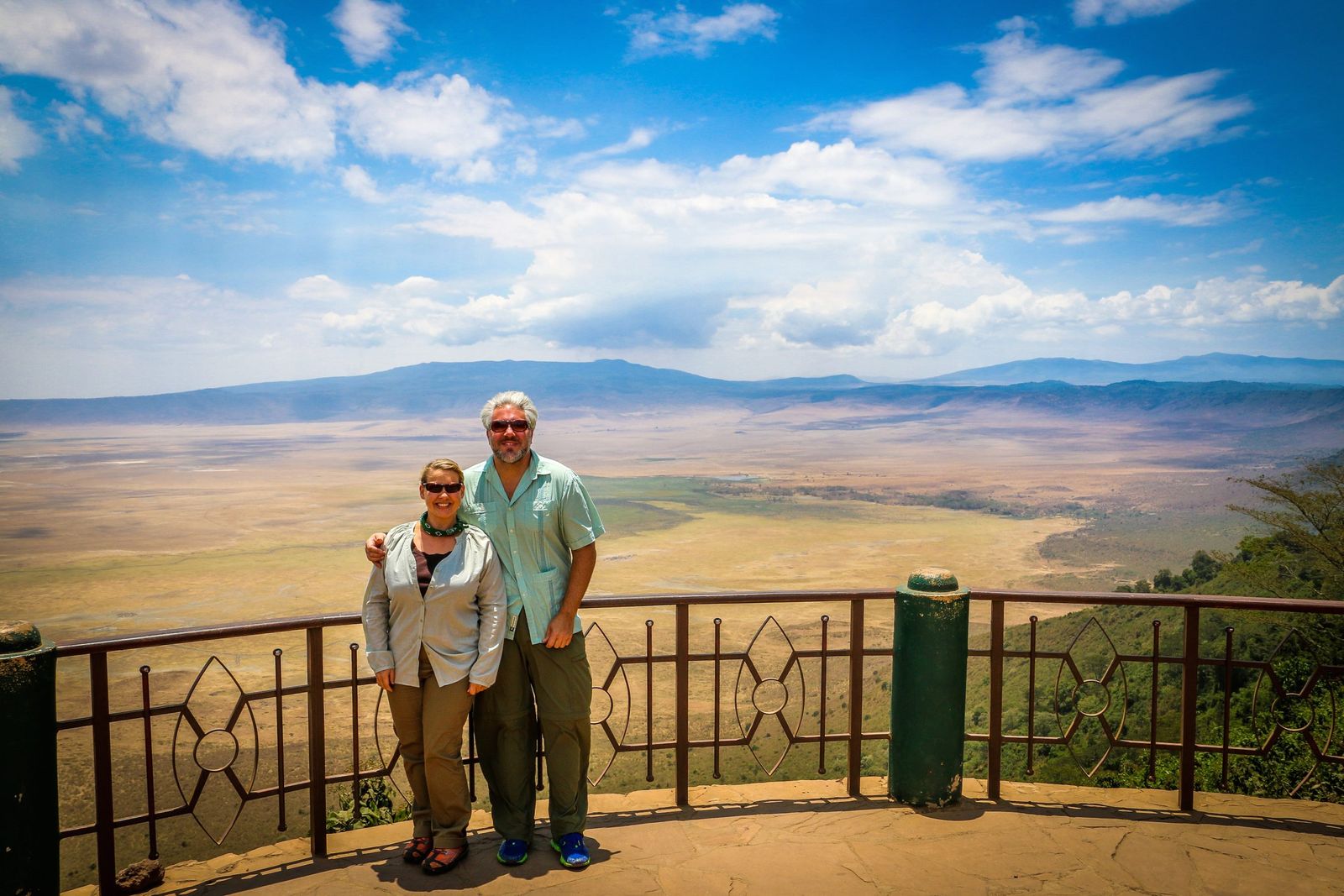

12 Days Rwanda Gorilla and Maasai Mara Safari with Zanzibar Beach Getaway
From $7,651 pp View →
PPF Olorien Business Centre, Njiro, Arusha +255 765 772 906 WhatsApp info@encloseafricasafaris.com
5.0/5 on Tripadvisor and Google Licensed Tanzania Tour Operator
For thousands of years a succession of cattle herding people moved into the Area, lived here for a time, and then moved on, sometimes forced out by other tribes. Visit Tanzania with Enclose Africa Safaris and fully interact with the local people and culture at Ngorongoro Conservation Area. About 200 years ago the Maasai arrived and have since colonized the Area in substantial numbers, their traditional way of life allowing them to live in harmony with the wildlife and the environment. Today there are some 42,200 Maasai pastoralists living in the Ngorongoro Conservation Area Ngorongoro Conservation Area with their cattle, donkeys, goats, and sheep. During the rains they move out on to the open plains; in the dry season, they move into the adjacent woodlands and mountain slopes. The Maasai are allowed to take their animals into the Crater for water and grazing, but not to live or cultivate there. Elsewhere in the Ngorongoro Conservation Area, they have the right to roam freely. Visitors are welcomed at two designated Maasai cultural bomas one on the road to Serengeti and another close to Sopa Lodge at Irkeepusi village. The Datoga, Nilo-Hamitic-speaking pastoralists, who arrived more than 300 years ago and were subsequently forced out of the Serengeti-Ngorongoro area by the Maasai, today they live just outside the NCA, in the Lake Eyasi basin and beyond.
One can visit the Maasai Cultural bomas in the NCA to learn more about their unique culture, to take photographs, and to buy mementos. There is an entrance fee to be paid but it is well worth it. Please be sensitive to the fact that it is considered bad manners to take photographs of people along the roadside without consent. A visit to one of the following is highly recommended:
Situated on the main road to Serengeti, 7 km south-west of the Olduvai Gorge Information Center
Situated on the main road to Serengeti, 10km before the turn-off to Olduvai Gorge
Situated 2km north-east of Lemala mini gate, on the main road to Empakaai
Situated just west of the Seneto Gate, within the Malanja Depression
We have no itinerary on the site that stops at People and Culture at Ngorongoro Conservation Area right now. These are our Tanzania trips, and any of them can be reshaped to include it.




Tell us your dates and what you would love to see. A real person from our Arusha, Tanzania office replies within one business day with a tailor-made itinerary, no obligation.