
15 Days Kilimanjaro Hike and Wildlife Safari
From $5,678 pp View →
PPF Olorien Business Centre, Njiro, Arusha +255 765 772 906 WhatsApp info@encloseafricasafaris.com
5.0/5 on Tripadvisor and Google Licensed Tanzania Tour Operator
Discover Ngorongoro Conservation Area: A Natural Wonder and Cultural Heritage
Ngorongoro Conservation Area, situated 180 km west of Arusha in Tanzania’s Crater Highlands, is a protected haven and a UNESCO World Heritage Site. Administered by the Ngorongoro Conservation Area Authority, an arm of the Tanzanian government, it embraces the renowned Ngorongoro Crater, a colossal volcanic caldera, and the historic Olduvai Gorge.
Ngorongoro Conservation Area: A Natural Marvel
Establishment and Distinctive Features: Founded in 1959, this area was envisioned as multiple land-use zones, fostering a harmonious coexistence between wildlife and semi-nomadic Maasai pastoralists practicing traditional livestock grazing. The star attractions include the breathtaking Ngorongoro Crater, the world’s largest caldera, and Olduvai Gorge, a 14-kilometer ravine of immense historical significance.
The Crater’s Unique Name: The Maasai pastoralists bestowed the name “Ngorongoro” upon the crater, inspired by the sound of a cowbell (ngoro ngoro). Fossil evidence found in the Olduvai Gorge indicates the area’s occupation by various hominid species for over 3 million years.
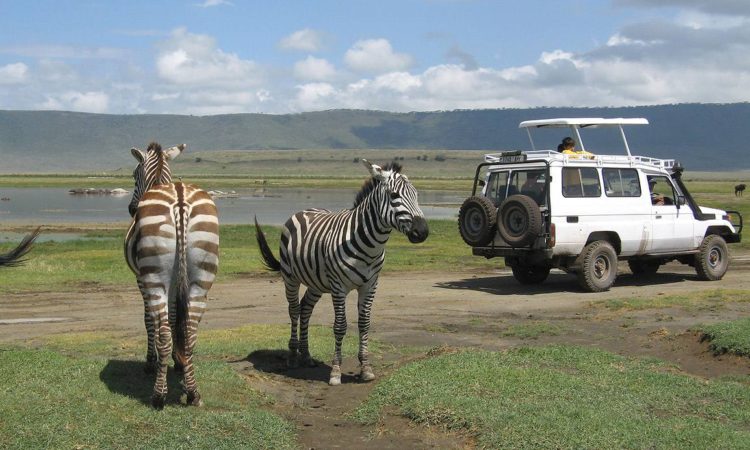
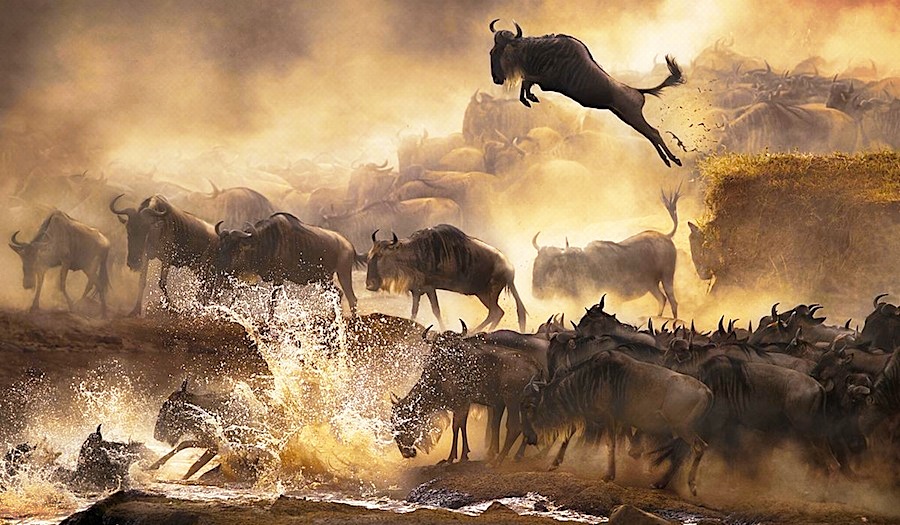
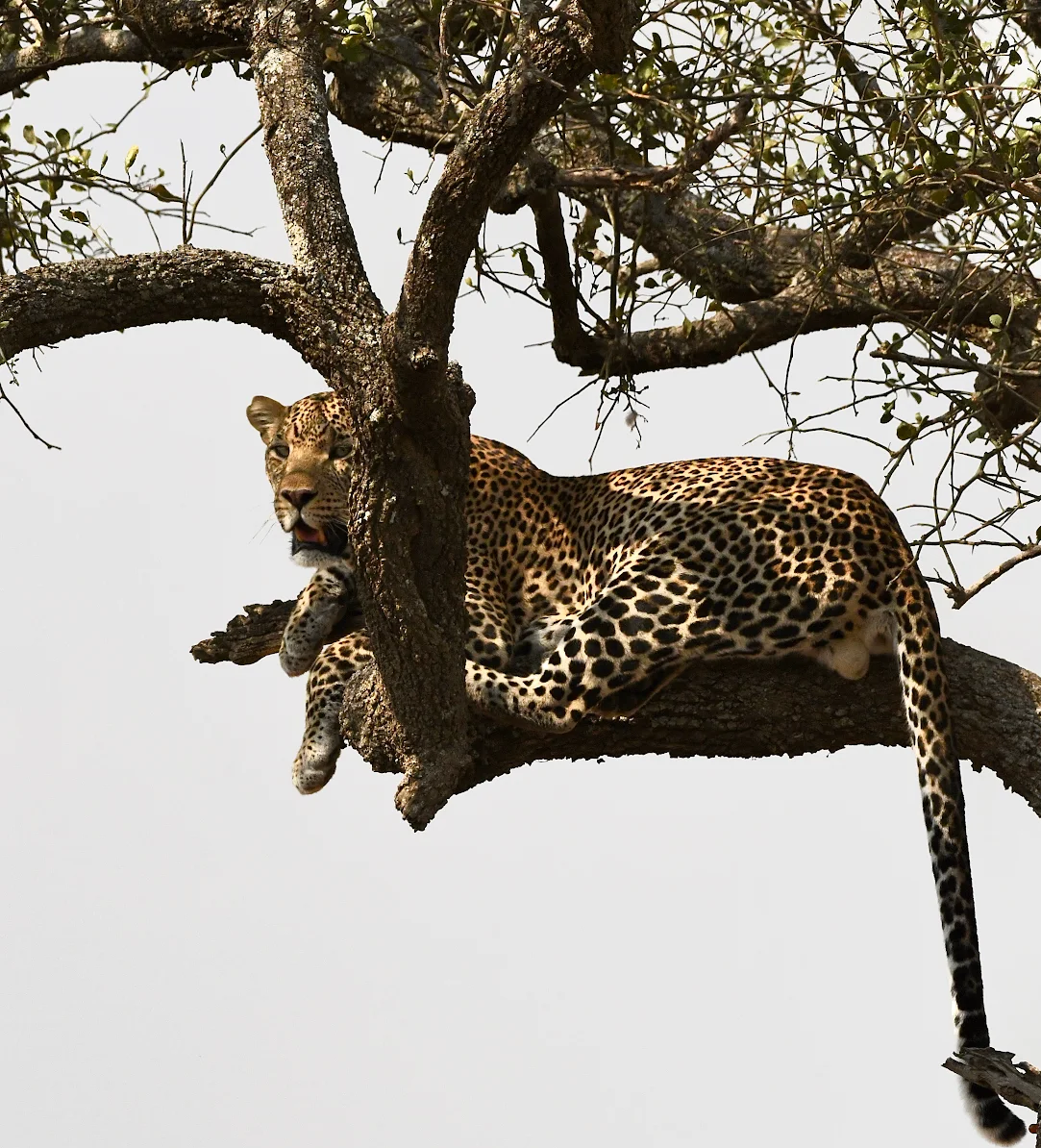
Biodiversity and Wildlife Conservation: Ngorongoro Conservation Area boasts a population of approximately 25,000 large animals, predominantly ungulates, alongside the highest density of mammalian predators in Africa. Notable endangered species like the Black Rhino, Wild Hunting Dog, and Golden Cat find refuge here. The area also witnesses one of the planet’s largest animal migrations, featuring over 1 million wildebeest, 72,000 zebras, and around 350,000 Thompson and Grant gazelles.
The Magnificent Ngorongoro Crater: At the heart of the conservation area lies the Ngorongoro Crater, the world’s largest inactive, intact, and unfilled volcanic caldera. Formed through a volcanic explosion and collapse around two to three million years ago, the crater is 610 meters deep, with a floor covering 260 square kilometers. Often referred to as the “Garden of Eden of Africa,” the crater is home to about 25,000 animals, including ungulates and four of the Big Five.
Preservation of Human Origins: Ngorongoro Conservation Area includes Oldupai or Olduvai Gorges, where early hominids, including Homo habilis and Paranthropus boisei, left their mark. This area is considered the “seat of humanity” after the discovery of the earliest known specimens of the human genus.
Olduvai Gorge: A Glimpse into Human Evolution
Olduvai Gorge, a steep-sided ravine in the Great Rift Valley, stretches for 50 kilometers along eastern Africa. It has played a pivotal role in shaping our understanding of human evolution, with discoveries of Homo habilis and other early hominids. The name “Olduvai” originates from the Maasai word ‘Oldupaai,’ signifying the wild sisal plant.
Adventurous Activities: Crafting Unforgettable Memories
Within Ngorongoro Conservation Area, a plethora of adventurous activities await:
Access to Ngorongoro Safari: Seamless Journeys Await
Embark on an Unforgettable Safari Adventure with Enclose Africa Safaris
As your safari specialist, Enclose Africa Safaris invites you to explore the wonders of Ngorongoro Conservation Area and beyond. Craft your tailored safari experience across Tanzania, Kenya, Rwanda, Uganda, and Zanzibar. Immerse yourself in the natural marvels and cultural richness that East Africa has to offer.
For inquiries or to plan your next adventure, contact Enclose Africa Safaris, your gateway to extraordinary safari experiences!
Every itinerary is private and tailor-made. These are starting points we can shape around you.






Tell us your dates and what you would love to see. A real person from our Arusha, Tanzania office replies within one business day with a tailor-made itinerary, no obligation.