
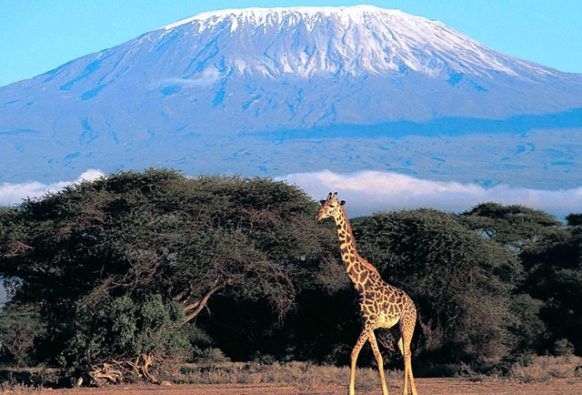
8 Days Lemosho Route Kilimanjaro Climb
Request a quote View →
PPF Olorien Business Centre, Njiro, Arusha +255 765 772 906 WhatsApp info@encloseafricasafaris.com
5.0/5 on Tripadvisor and Google Licensed Tanzania Tour Operator
Tanzania
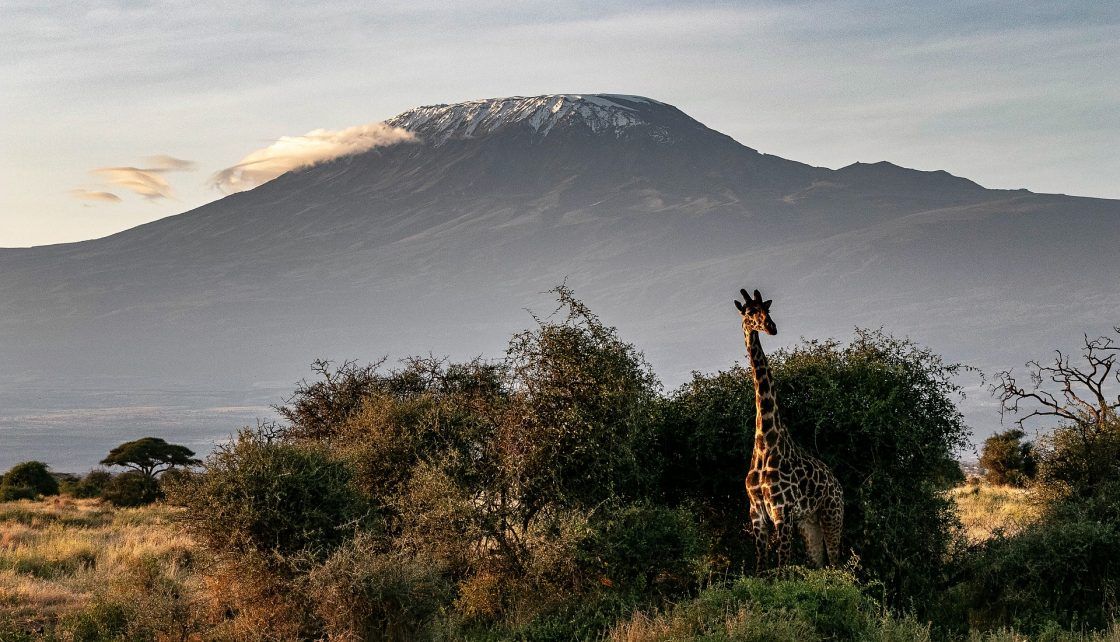
The Northern Circuit is the longest route on Kilimanjaro, and that is exactly its advantage. After starting on the western side of the mountain and crossing the Shira Plateau, the trail swings away from the busy southern camps and circles around the rarely visited northern slopes, passing near the Kenyan border with views over the Tsavo and Amboseli valleys. For days at a time you walk in near solitude on paths that roll gently without steep gains, which gives this route the most gradual altitude profile on the mountain. By the time you reach the Rongai side for the summit push, your body has spent nearly a week living around 4,000 m, and that patient buildup is why the Northern Circuit is favored by climbers who want the strongest possible chance of reaching Uhuru Peak.
The package begins with a pickup at Kilimanjaro International Airport and a transfer to your hotel in Moshi, Tanzania, where your mountain guide holds a briefing the evening before the trek. After descending through Mweka Gate you spend one more night at your hotel in Moshi before your return transfer to the airport, with both hotel nights included on a bed and breakfast basis.
For route comparisons and preparation advice, start with our guide to Climb Mount Kilimanjaro.
After a morning orientation at your hotel, you drive 3 to 4 hours to Londorossi Gate at 2,200 m on the western side of Kilimanjaro National Park, where the crew completes permits and registration. A further hour by vehicle brings you up to 3,500 m, and the trek itself begins on the Shira Plateau. The walk to Shira 1 Camp is short and gains almost no altitude, which makes it an easy, deliberate first day. From here on the guidelines matter: no alcohol or caffeine, at least 4 liters of water a day, and Diamox only after consulting your physician. Treat this day as the start of your acclimatization rather than a test of fitness. Elevation: 3,500 m to 3,505 m. Distance: 4 km. Hiking time: 1 hour.
A modest 300 m of altitude gain carries you across the plateau from Shira 1 Camp at 3,505 m to Shira 2 Camp at 3,900 m. When the weather cooperates, the views stretch all the way to Mount Meru on the horizon. After lunch in camp and a two hour rest, you head out on an acclimatization walk toward Lava Tower, climbing about 300 m more before returning to Shira 2 to sleep. That climb high, sleep low pattern is the quiet engine behind a successful summit. Elevation: 3,505 m to 3,900 m. Distance: 7 km. Hiking time: 3 to 4 hours. Acclimatization hike: 3,900 m to 4,110 m, 2 km, 1 to 2 hours.
Leaving Shira 2 Camp at 3,900 m, the trail climbs through a series of ups and downs to Lava Tower at 4,630 m, where you stop for lunch and spend 1 to 2 hours adjusting to the higher altitude. This is the hardest working day so far, and it is also where the Northern Circuit leaves the crowds behind: instead of dropping south toward Barranco, you descend into the quiet Moir Valley to Moir Hut at 4,200 m, one of the least visited camps on the mountain. If your guide has any concern about acclimatization, the group can bypass Lava Tower on the porter trail, reaching a maximum of about 4,400 m instead. Elevation: 3,900 m to 4,630 m to 4,200 m. Distance: 14 km. Hiking time: 5 to 7 hours.
The day starts with a steep pull out of the Moir Valley, then settles into a long, easy traverse around Kilimanjaro's northern slope. The path rolls constantly through highs and lows but never demands a steep gain in altitude, which is exactly the kind of walking that builds strength without draining it. This side of the mountain is remarkably quiet, and as the trail swings near the Kenyan border you get views out over the Tsavo and Amboseli valleys. The day ends at Buffalo Camp at 4,020 m. Elevation: 4,200 m to 4,020 m. Distance: 12 km. Hiking time: 5 to 7 hours.
A shorter stage completes the circuit of the northern slope. The trail works its way around to 3rd Cave Camp at 3,870 m, where the Northern Circuit meets the traditional Rongai route coming up from the northeast. By tonight your body has spent several days living around the 4,000 m mark, which is exactly the slow, high approach that gives acclimatization the best chance to work. Acclimatization is individual and never complete, so your guide checks you daily and altitude sickness can still develop at any point. The afternoon is for rest and an early night. Elevation: 4,020 m to 3,870 m. Distance: 8 km. Hiking time: 4 to 6 hours.
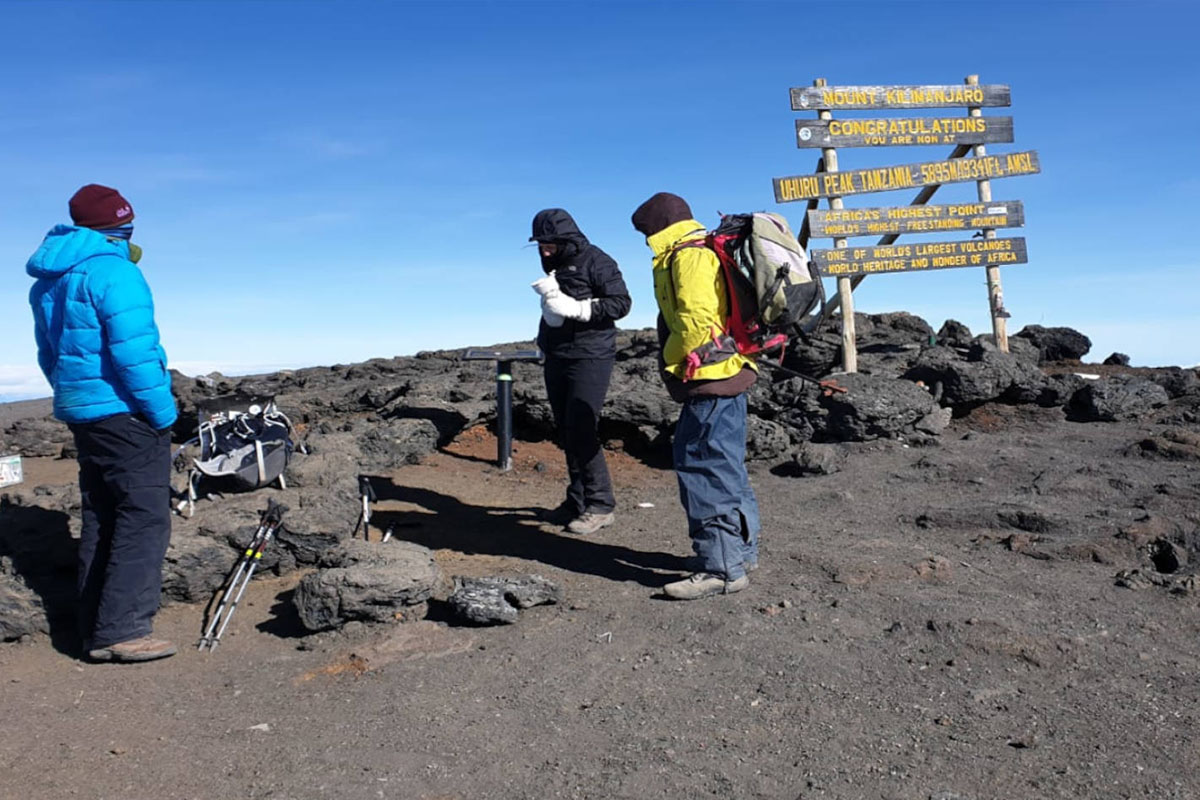
Today you climb to School Hut Summit Camp at 4,750 m, the launch point for the night ascent. The trek is moderately difficult, and the guides will keep the pace conservative because the goal today is to arrive with strength in reserve. That very night you begin the final push to Uhuru Peak at 5,895 m, so the afternoon routine is simple: eat, drink plenty of fluids, avoid any strenuous activity, and get the best sleep you can manage before the midnight start. Elevation: 3,870 m to 4,750 m. Distance: 5 km. Hiking time: 4 to 5 hours.
At midnight you leave School Hut at 4,750 m and climb through the dark toward Uhuru Peak at 5,895 m. The route is technically easy, but the altitude makes it the hardest night of the trip, so one guide is assigned to every two climbers to monitor condition and pace throughout the ascent. Sunrise from the summit, with the glaciers glowing below you, is the payoff for the whole week of patient walking. After an optional glacier walk, you descend to Barafu Camp for a two hour lunch and rest, then continue down to Millennium Camp at 3,820 m for the night. Stay focused on the descent. Tired legs on loose scree are how most injuries happen, so your guide sets a deliberate pace and you follow it. Elevation: 4,750 m to 5,895 m to 3,820 m. Hiking time: 6 to 8 hours.
Millennium Camp sits at the edge of the tropical rainforest, and the richer air at 3,820 m makes for the best sleep of the trek. After a hot breakfast you make the final descent through the forest to Mweka Gate at 1,650 m. At the gate there is time to relive the adventure with the support team that got you up and down the mountain before your vehicle transfers you back to your hotel in Moshi. Elevation: 3,820 m to 1,650 m. Distance: 12 km. Hiking time: 4 to 5 hours.
Uhuru Peak is 5,895 m. Almost everyone feels the altitude, and acute mountain sickness is common on Kilimanjaro, including on well-paced routes. Acclimatization varies from person to person and is never something you finish; a longer route improves your odds, it does not remove the risk.
Tell your guide about every symptom. Headache, nausea, dizziness, breathlessness at rest, loss of coordination, or confusion all matter, and they matter more at night. Guides carry a pulse oximeter and check you daily.
Descent is the treatment. If symptoms worsen, going down is not a failed summit attempt, it is the correct response, and your guide's call to descend is final. Every climb is escorted by guides trained to make that decision.
See a travel clinician before you book, especially about acetazolamide and any existing heart or lung condition. Nothing on this page is medical advice. For current guidance, read the US CDC on high-altitude travel and altitude illness. Reviewed 24 August 2026.
Read our travel guides to the places this itinerary visits.
Every itinerary is private and fully customizable. Use these as a starting point.
Tell us your dates and what you would love to see. The Enclose Africa Safaris team replies within one business day with your personal itinerary proposal, no obligation.