
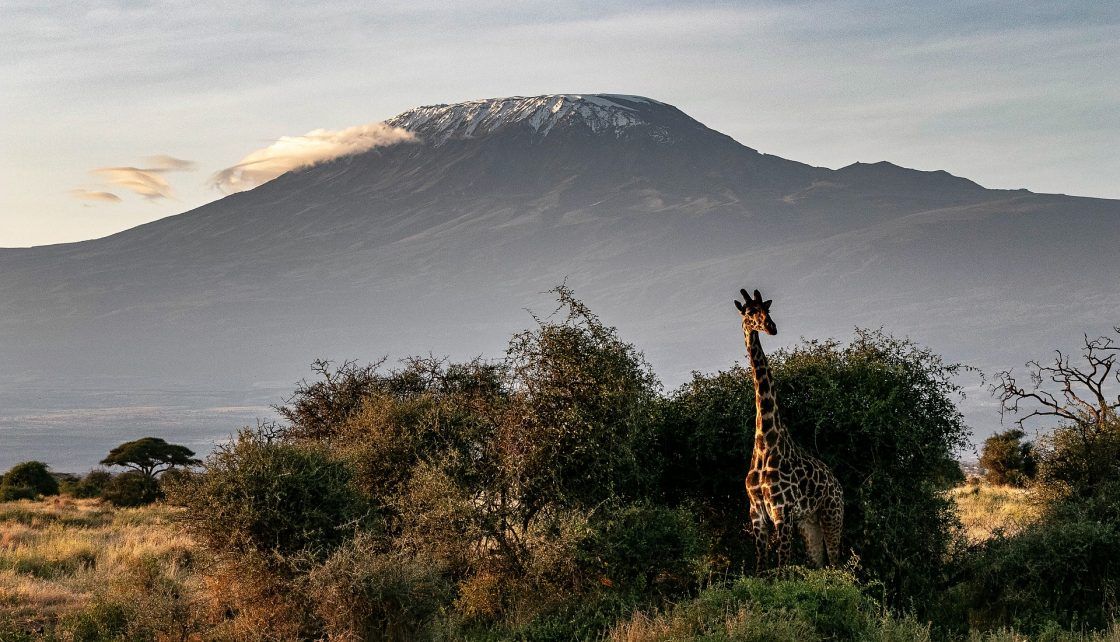
6 Days Marangu Route Kilimanjaro Climb
Request a quote View →
PPF Olorien Business Centre, Njiro, Arusha +255 765 772 906 WhatsApp info@encloseafricasafaris.com
5.0/5 on Tripadvisor and Google Licensed Tanzania Tour Operator
Tanzania
The Rongai route is the only path that approaches Kilimanjaro from the north, starting at Nalemuru Gate near the Kenyan border. It is the quietest side of the mountain: while the southern routes carry most of the traffic, Rongai climbers often walk for hours through coniferous forest and open alpine country with the trail largely to themselves. The northern slopes are also the drier side of the peak, which makes this a dependable choice when the southern trails are at their wettest.
This seven day itinerary builds altitude gradually and centers on an acclimatization day at Mawenzi Tarn Camp, set beside a mountain tarn beneath the spires of Mawenzi, Kilimanjaro’s second summit. Short early stages, two acclimatization hikes, and a relief day at Kikilewa Camp keep your body adapting steadily before the summit push, which is why we grade this version moderate rather than challenging. The descent follows the Marangu trail down the other side of the mountain, so you finish having crossed Kilimanjaro gate to gate.
Your package includes pickup at Kilimanjaro International Airport and hotel nights in Moshi, Tanzania before and after the climb, with a guide briefing the evening you arrive. Compare every route in our Climb Mount Kilimanjaro guide.
Your crew picks you up at your hotel in Moshi, Tanzania for the drive around the mountain to Nalemuru Gate, the quiet northern entrance to Kilimanjaro National Park. After permits are issued and the group is registered with search and rescue, the trail sets off through coniferous forest up the northern slope. The walking is gentle on this first stage, a good chance to find your rhythm. From this altitude onward your guide will remind you to avoid alcohol and caffeine, to drink more than 4 liters of water daily, and to report any altitude symptoms right away; many climbers also carry Diamox on their doctor's advice. The day ends at Simba Camp. Elevation: 2,020 m to 2,625 m. Distance: 8 km. Hiking time: 3 to 4 hours.
An early start takes you up a fairly easy trail to Second Cave Camp, and you arrive with much of the day still ahead of you. After a couple of hours of rest you head out on an acclimatization hike toward Kikilewa Camp, gaining about 100 meters of altitude before turning back to sleep at Second Cave. These short extra climbs speed up the acclimatization process and raise your chances of standing on the summit. Elevation: 2,625 m to 3,480 m. Distance: 4 km. Hiking time: 2 to 3 hours. Acclimatization hike: 3,480 m to 3,580 m, 2.5 km, 1 to 2 hours.
After breakfast the trail continues to Kikilewa Camp, and when the weather is clear the massive dome of the Kibo volcano fills the horizon ahead. This is a deliberate relief day with a short walking stage and a free afternoon to rest and recover. In the evening your guide runs a health check and briefs the group on the next stage of the climb. Elevation: 3,480 m to 3,630 m. Distance: 5 km. Hiking time: 3 to 4 hours.
An early wakeup and breakfast start the climb to Mawenzi Tarn Camp, dramatically set beside a mountain tarn at the foot of Mawenzi, Kilimanjaro's jagged second summit. After lunch and a two hour rest you take an acclimatization hike up the slopes toward Mawenzi, gaining about 200 meters before descending back to camp for the night. This is the acclimatization work that makes the seven day Rongai itinerary noticeably gentler than shorter versions of the route. Elevation: 3,630 m to 4,310 m. Distance: 6 km. Hiking time: 4 to 5 hours. Acclimatization hike: 4,310 m to 4,510 m, 2 km, 1 to 2 hours.
The trail climbs steadily toward Kibo Camp as the landscape changes to rocky semi-desert with the summit cone looming ahead. The afternoon is deliberately quiet: your guide will encourage you to sleep well, avoid strenuous activity, and keep drinking plenty of water, because the ascent to Uhuru Peak begins that same night. After an early dinner the group runs through the summit plan and turns in. Elevation: 4,310 m to 4,700 m. Distance: 9 km. Hiking time: 5 to 6 hours.
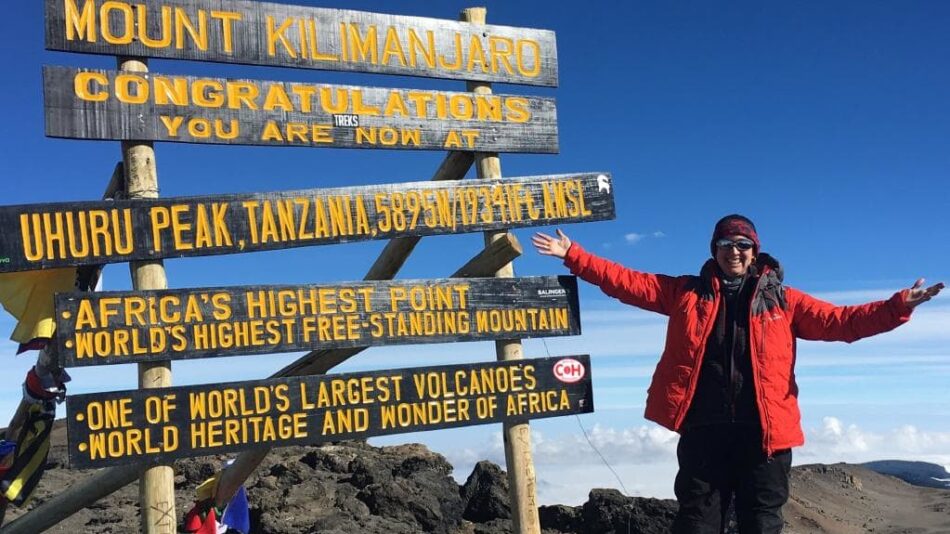
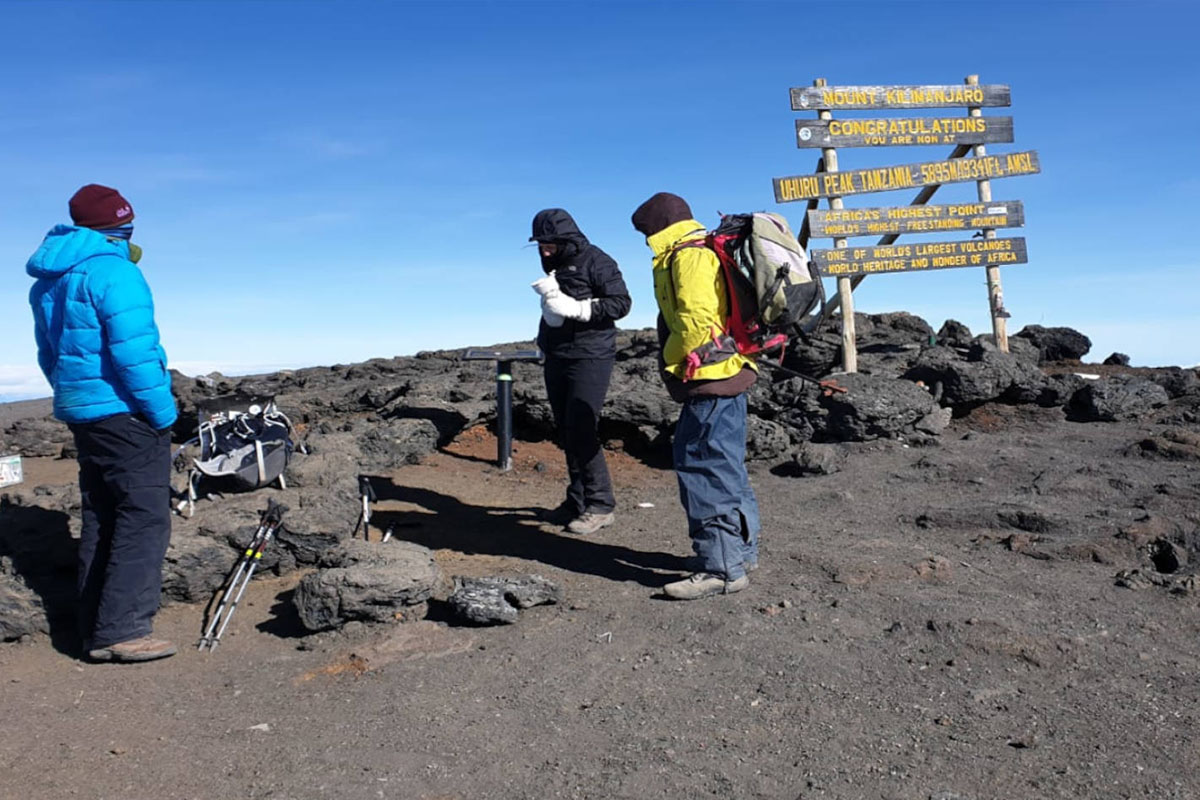
The summit push begins at night, passing School Hut Camp at 4,715 m before the long climb up the cone. The gradient is moderate, but the altitude taxes your cardiovascular system far more than your muscles, so the pace stays slow and steady. One guide is assigned to every two climbers to monitor physical condition throughout the ascent. At the top you stand on Uhuru Peak at 5,895 m with the summit glaciers close at hand before beginning the long way down. A two hour rest at Kibo Camp breaks the descent to Horombo Camp, and the guides keep everyone focused, since about nine out of ten climbing accidents happen on the way down. Elevation: 4,700 m to 5,895 m, then down to 3,720 m. Distance: 21 km. Hiking time: 12 to 14 hours.
A warm breakfast starts the final morning before the long descent to Marangu Gate, the park exit on the far side of the mountain from where you began. At the gate the crew gathers for congratulations, you add your impressions to the guestbook, and commemorative certificates are presented at the office. From there you are driven back to your hotel in Moshi for a hot shower and a well earned rest. Elevation: 3,720 m to 1,860 m. Distance: 18 km. Hiking time: 5 to 6 hours.
Uhuru Peak is 5,895 m. Almost everyone feels the altitude, and acute mountain sickness is common on Kilimanjaro, including on well-paced routes. Acclimatization varies from person to person and is never something you finish; a longer route improves your odds, it does not remove the risk.
Tell your guide about every symptom. Headache, nausea, dizziness, breathlessness at rest, loss of coordination, or confusion all matter, and they matter more at night. Guides carry a pulse oximeter and check you daily.
Descent is the treatment. If symptoms worsen, going down is not a failed summit attempt, it is the correct response, and your guide's call to descend is final. Every climb is escorted by guides trained to make that decision.
See a travel clinician before you book, especially about acetazolamide and any existing heart or lung condition. Nothing on this page is medical advice. For current guidance, read the US CDC on high-altitude travel and altitude illness. Reviewed 24 August 2026.
Read our travel guides to the places this itinerary visits.
Every itinerary is private and fully customizable. Use these as a starting point.
Tell us your dates and what you would love to see. The Enclose Africa Safaris team replies within one business day with your personal itinerary proposal, no obligation.