
7 Days Lemosho Route Kilimanjaro Climb
Request a quote View →
PPF Olorien Business Centre, Njiro, Arusha +255 765 772 906 WhatsApp info@encloseafricasafaris.com
5.0/5 on Tripadvisor and Google Licensed Tanzania Tour Operator
Tanzania
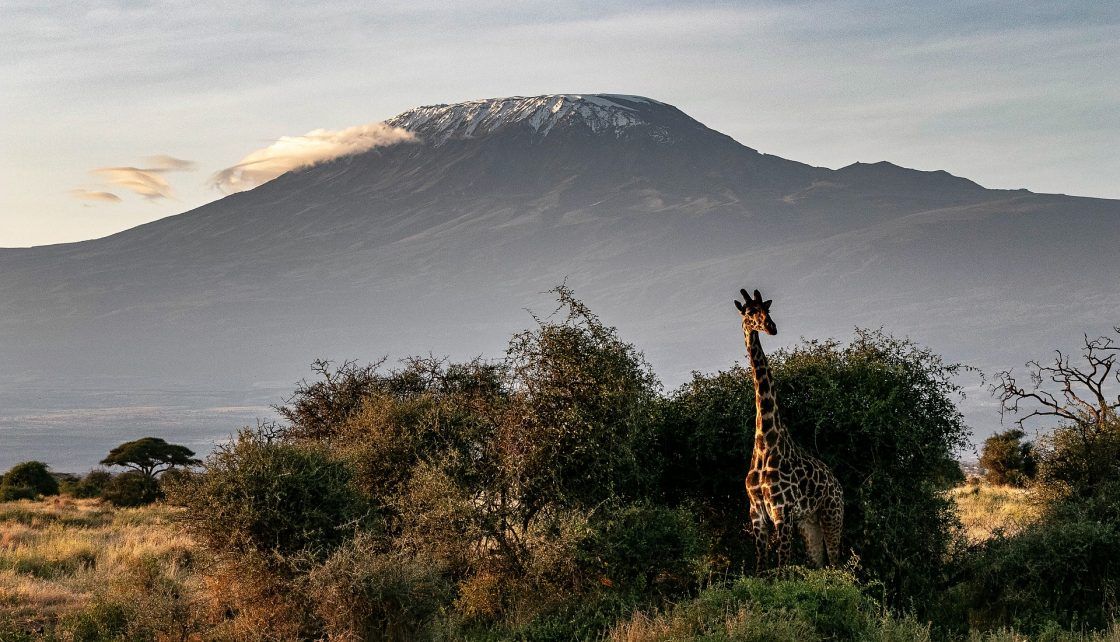
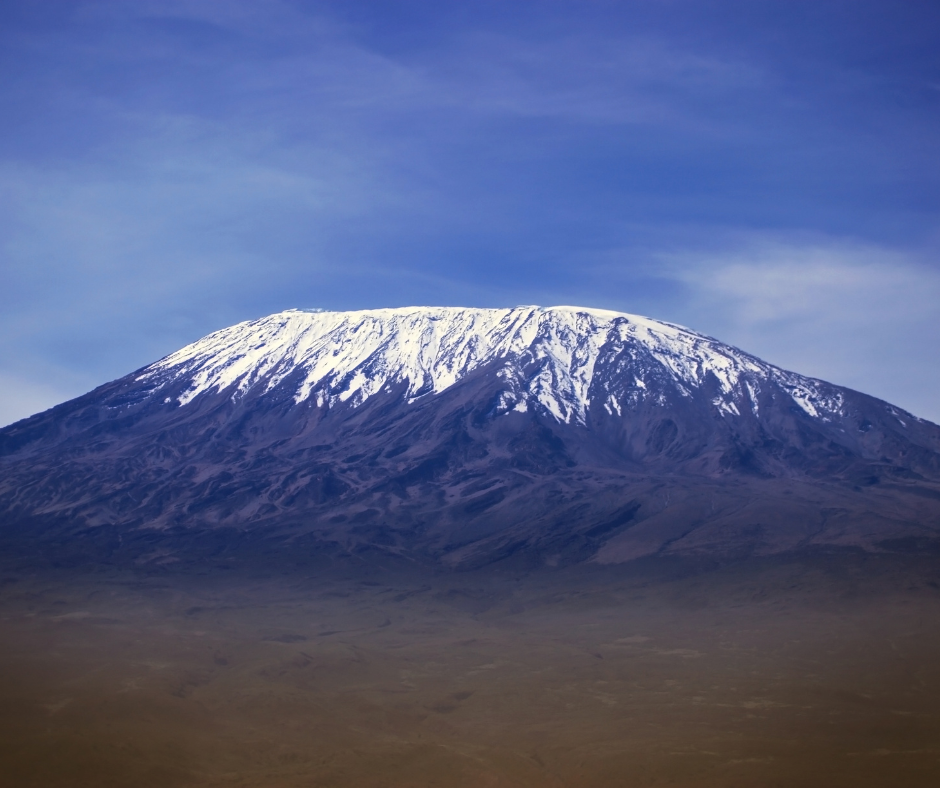
The Lemosho Route begins on Kilimanjaro’s remote western flank and crosses the sweeping Shira Plateau before curving around to the southern approach to the summit. It is widely considered the most beautiful route on the mountain, and this 8 day version is the more forgiving way to walk it. Compared with the 7 day itinerary, it adds an extra trekking stage low on the mountain, starting the climb on foot from Londorossi Gate through the forest rather than driving to the plateau. That slower start, together with acclimatization hikes built into most afternoons, gives your body an additional night to adapt and meaningfully improves your chance of standing on Uhuru Peak.
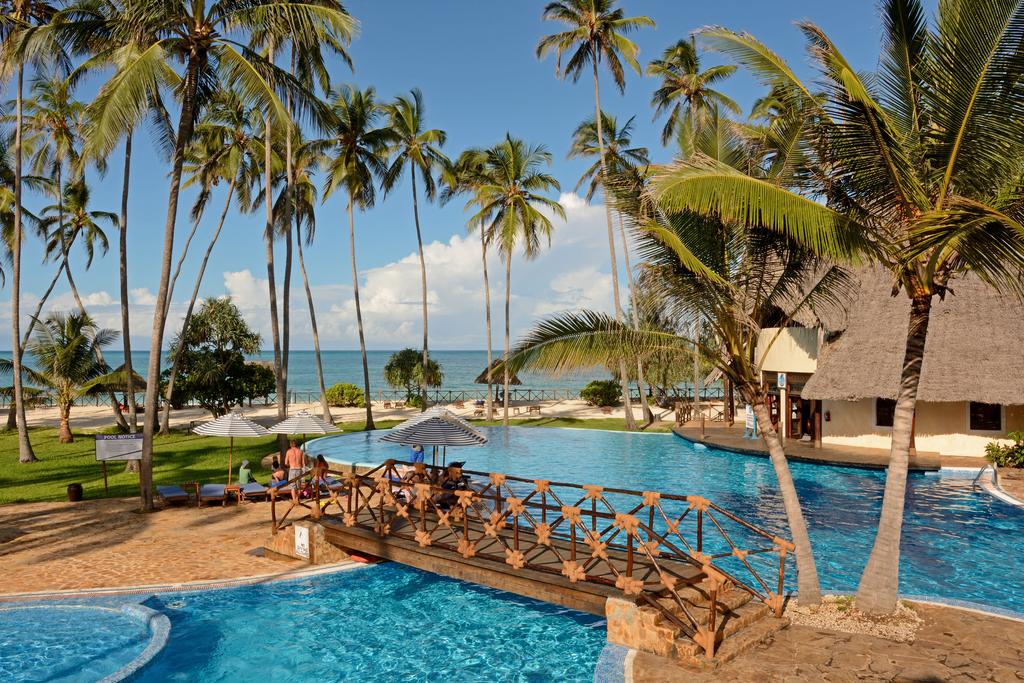
Your trip starts with a pickup at Kilimanjaro International Airport and a transfer to your hotel in Moshi, Tanzania, where your mountain guide briefs you on the evening before the trek. When you walk out of Mweka Gate at the end of the climb, you return to your hotel in Moshi for a final night before your transfer back to the airport. Both hotel nights are included with breakfast.
To compare routes and plan your preparation, see our guide to Climb Mount Kilimanjaro. The climb also pairs naturally with a Tanzania safari.
After a morning briefing at your hotel, you drive 3 to 4 hours to Londorossi Gate at 2,200 m, the western entrance to Kilimanjaro National Park. The crew arranges your permits and registers the group with the search and rescue service, and then the walking begins: a forest trek up to Mti Mkubwa Camp at 2,780 m, where your mountain crew has camp pitched and a meal ready. After lunch you take a short acclimatization hike toward Shira 1 Camp, gaining about 300 m before returning to Mti Mkubwa for dinner. From today onward the altitude rules apply: no alcohol or caffeine, more than 4 liters of water a day, and Diamox if your doctor approves it. Some climbers notice mild headaches or restlessness at night as oxygen levels drop, which is a normal part of adjusting. Elevation: 2,200 m to 2,780 m. Distance: 6 km. Hiking time: 3 to 4 hours. Acclimatization hike: 2,780 m to 3,095 m, 2 km, about 1 hour.
An early breakfast sets up a steady climb out of the forest and onto the moorland as the trail works its way up toward 3,500 m. The walking from Mti Mkubwa Camp to Shira 1 Camp at 3,505 m is straightforward rather than steep, but the day still takes 5 to 6 hours, so the pace stays unhurried. The reward is your first real look at the Shira Plateau opening up ahead. The crew has lunch ready when you arrive, and the afternoon is yours to rest in camp or wander the surrounding plateau. Elevation: 2,780 m to 3,505 m. Distance: 5 km. Hiking time: 5 to 6 hours.
Today is a lighter stage across the Shira Plateau, from Shira 1 Camp at 3,505 m to Shira 2 Camp at 3,900 m. The trail passes through some of the most striking scenery on the route, with Kilimanjaro's odd high-altitude plants along the way and, in good weather, a clear view from Shira 2 across to Mount Meru, the fifth highest summit in Africa. Lunch follows your arrival in camp. After about two hours of rest you head out on an acclimatization hike toward Lava Tower, gaining roughly 300 m before dropping back to Shira 2 for the night. Sleeping lower than the day's high point is what steadily builds your resistance to the altitude. Elevation: 3,505 m to 3,900 m. Distance: 7 km. Hiking time: 3 to 4 hours. Acclimatization hike: 3,900 m to 4,270 m, 2 km, 1 to 2 hours.
Leaving Shira 2 Camp at 3,900 m, the trail rolls through repeated ascents and descents on its way up to Lava Tower at 4,630 m. This section can feel hard, and a touch of altitude discomfort here is common and expected. You spend 1 to 2 hours at Lava Tower over lunch, which is exactly the kind of time at height that pays off on summit night. The afternoon descent brings you to Barranco Camp at 3,960 m, directly below the famous Barranco Wall; it looks steep from below, but the climbing trail up it is very manageable, as you will find out tomorrow. If anyone feels unwell, the guide can skip Lava Tower and follow the porter trail instead, which reaches a maximum of about 4,400 m. Elevation: 3,900 m to 4,630 m to 3,960 m. Distance: 12 km. Hiking time: 6 to 8 hours.
An early wakeup gets you onto the Barranco Wall ahead of the crowds. The scramble up is one of the most enjoyable parts of the route, and from the top there is time to rest and take photos in front of the Kibo volcano. The trail then undulates through a demanding sequence of climbs and drops to Karanga Camp at 4,035 m, with your guides holding a pace the whole group can sustain. A hot lunch is served in camp. A couple of hours later you take an acclimatization hike toward Barafu Camp, gaining about 300 m before returning to sleep at Karanga. These hikes are crucial to summit success and to keeping altitude sickness at bay. Elevation: 3,960 m to 4,035 m. Distance: 5 km. Hiking time: 4 to 5 hours. Acclimatization hike: 4,035 m to 4,270 m, 2.5 km, 1 to 2 hours.
After breakfast you climb to Barafu Summit Camp at 4,640 m, the starting point for the night ascent of Uhuru Peak at 5,895 m. The professional crew reaches camp ahead of you and has tents and sleeping bags ready so you can recover straight away. In the afternoon there is one last acclimatization hike up toward Kosovo Summit Camp at 4,800 m, followed by the walk back down to Barafu and a hot dinner. The remainder of the day is set aside for rest and sleep, because the summit attempt starts in the middle of the night. Elevation: 4,035 m to 4,640 m. Distance: 6 km. Hiking time: 4 to 5 hours. Acclimatization hike: 4,640 m to 4,800 m, 2 km, 1 to 2 hours.
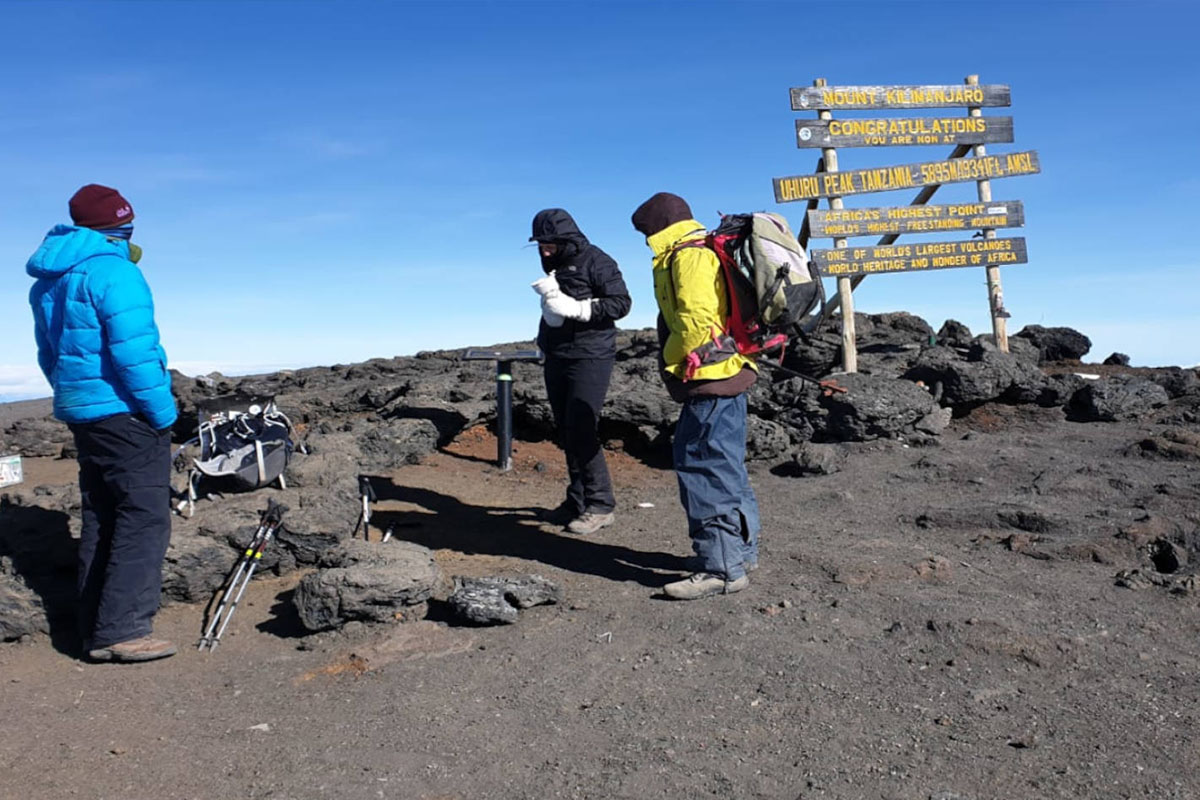
The summit push begins at night from Barafu Camp at 4,640 m, climbing slowly toward Uhuru Peak at 5,895 m, the roof of Africa. Technically the climb is straightforward; the altitude is the real opponent, so each pair of climbers has a personal guide monitoring their physical and mental condition through the whole ascent. Standing on the summit as the sun rises over the glaciers is the moment that makes the week worthwhile. After your time on top, there is an optional walk down to a nearby glacier before you descend to Barafu Camp for a two hour rest. The day ends lower still at Millennium Camp, 3,820 m, where richer air brings back appetite and sleep. Watch your footing on the way down: around 90 percent of accidents on the mountain happen during the descent, and careless steps are hard on toenails and knees. Elevation: 4,640 m to 5,895 m to 3,820 m. Distance: 15 km. Hiking time: 8 to 12 hours.
You wake at Millennium Camp noticeably restored by the lower altitude. After breakfast the trail descends through the forest to Mweka Gate at 1,650 m, where the trek officially ends. The whole crew gathers to congratulate you, climbers add their reflections to the guestbook, and you are presented with your commemorative summit certificate. A vehicle then transfers you back to your hotel in Moshi for a shower and a proper bed. Elevation: 3,820 m to 1,650 m. Distance: 12 km. Hiking time: 4 to 5 hours.
Uhuru Peak is 5,895 m. Almost everyone feels the altitude, and acute mountain sickness is common on Kilimanjaro, including on well-paced routes. Acclimatization varies from person to person and is never something you finish; a longer route improves your odds, it does not remove the risk.
Tell your guide about every symptom. Headache, nausea, dizziness, breathlessness at rest, loss of coordination, or confusion all matter, and they matter more at night. Guides carry a pulse oximeter and check you daily.
Descent is the treatment. If symptoms worsen, going down is not a failed summit attempt, it is the correct response, and your guide's call to descend is final. Every climb is escorted by guides trained to make that decision.
See a travel clinician before you book, especially about acetazolamide and any existing heart or lung condition. Nothing on this page is medical advice. For current guidance, read the US CDC on high-altitude travel and altitude illness. Reviewed 24 August 2026.
Read our travel guides to the places this itinerary visits.
Every itinerary is private and fully customizable. Use these as a starting point.
Tell us your dates and what you would love to see. The Enclose Africa Safaris team replies within one business day with your personal itinerary proposal, no obligation.